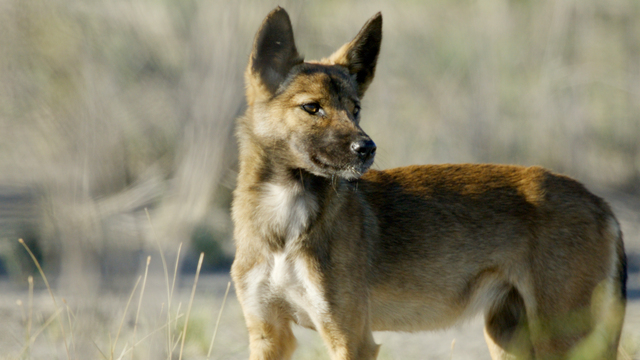
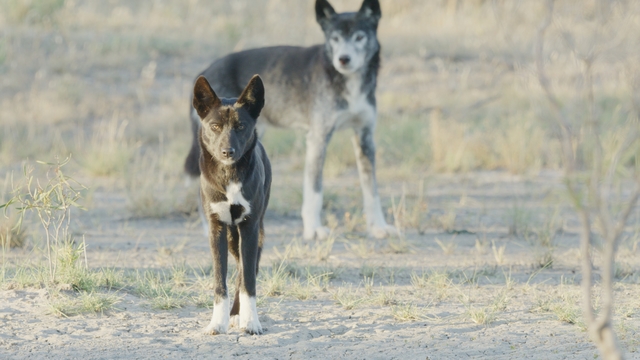
Few if any native wildlife species evoke such a range of emotions as do dingoes.
Some regard them as ‘wild dogs’, and call for their extermination. Others highlight their significant ecological role, and cultural values for First Nations peoples, and want these native canids conserved. Tragically, misunderstanding, misinformation, and disinformation is dividing communities, and we all suffer as a result, including dingoes.
Dingoes can attack and kill livestock, and we must acknowledge the harm this causes economically and for livestock producers’ wellbeing. We should also acknowledge the lack of robust data, evidence and uncertainty as to which animals are killing livestock, where and in what numbers. This is especially pertinent regarding lambs, with foxes known to consume more sheep across Victoria than dingoes typically do. There have also been incidents of roaming farm or pet dogs killing large numbers of livestock in some regions.
Dingoes perform important roles in ecosystems, as a top predator, helping to control numbers of kangaroos, wallabies, feral goats and feral pigs, among others, and they can help to reduce the impacts of feral cats and foxes on native wildlife. Without dingoes in ecosystems, herbivores and smaller predators may become more abundant and active, leading to severe impacts on the health of vegetation, pasture, and native wildlife populations.
The good news is that we have tools at hand—that have been used successfully across the globe, for centuries—to promote coexistence of dingoes and livestock production, including guardian dogs and donkeys, and small areas of strategic fencing. As with anything, if such tools aren’t used well, they can fail, but there are many examples from graziers from across Australia where such actions are working, and we must do all we can to support more education, training and successful implementation of these tools.
Trapping, shooting and poisoning of dingoes is often ineffective and not sustained through time, and is increasingly losing social license across Australian society. Research on non-lethal solutions has shown these approaches to be as or more effective than lethal approaches, and they are sustained long-term.
Dingoes are often referred to as wild and feral dogs, with the assumption that most are hybrids with domestic dogs, but the reality is that this is simply not the case. Recent genetic studies, from two independent research labs, indicates hybridization between dingoes and domestic dogs is exceedingly rare and most dingoes show very little or no trace of domestic dog ancestry. In a genetic sense they are dingoes, whether yellow-orange, black, black and tan, brindled or otherwise colored.
I urge people to listen to each other and move towards a shared vision of dingo and livestock production coexistence, we have the tools at hand to make this a reality. What we need more than ever is mutual respect and greater investment and support from government to implement effective non-lethal dingo management.