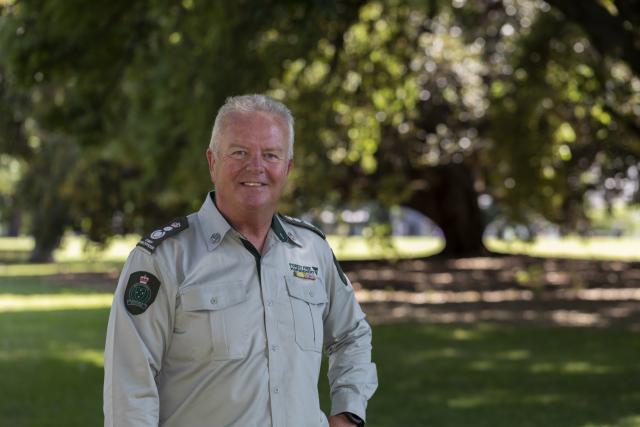
A recent video of Forest Fire Management Victoria (FFMVic)’s Chief Fire Officer Chris Hardman AFSM for the Emergency Services Foundation’s Lived Experience series is a timely reminder of the mental toll of emergency events.
Mr Hardman’s own mental health journey was sparked by his experience of the 2009 Black Saturday bushfires, having been the deputy incident controller of the Kinglake fire complex.
Speaking to the Star Mail, Mr Hardman said people in the Yarra Valley will fully understand and appreciate the impact that bushfires can have.
“Generations of people have had some of the most devastating fires that Victoria has ever experienced in this footprint, whether it be Ash Wednesday or Black Saturday, two of the worst fires in Victoria’s history, so we’re talking to a community that knows fire,” he said.
“For those of us that were involved during the Black Saturday campaign and post Black Saturday, the impact of that devastating event became very real and the scale of the impact was becoming clearer in the days after the event.
“There was a collective shock that permeated right through the community and that still lives with the community that experienced that in the places where they live, but also the firefighters and other emergency services that walked toward that danger and that risk in the days after.”
173 people died during Black Saturday, 120 in the Kinglake fire complex alone.
Mr Hardman said no human being is impervious to the impacts of these events and they do take their toll over time.
“As human beings, we know whether you’re in the military or the emergency services that the more exposure you have to these events, it can sneak up on you,” he said.
“We’re only just starting to realise that people’s mental wellbeing is just as important as our physical safety and in many circumstances, if you break an arm at work, you can be back at work in six weeks.
“If you break your brain, or in other words, you have a mental illness, then it might take you three years to get back or you may never get back.”
Mr Hardman was responsible for attending many of the community meetings following Black Saturday as well as helping coordinate the effort to ensure fires didn’t reignite in the following weeks, with the fires taking weeks to extinguish entirely in the first place.
In the video, Mr Hardman recounts spending the six weeks following Black Saturday acting in ‘command control’ mode before a colleague called him out for his behaviour and the emotions started to sink in and he engaged a psychologist and ended up leaving fire management entirely for three years.
He eventually returned, becoming Chief Fire Officer in 2018, and following the Black Summer of 2019/20, he sought out mental health support again which he continues to access to this day.
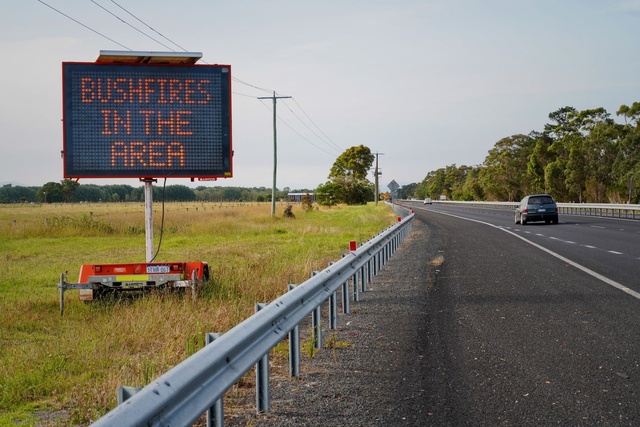
With expectations of high fire risk this fire season, Mr Hardman said there is always trepidation when you’re coming up to a bushfire season.
“We do rely on our training, our capability, and the one thing that really holds us in good stead is we stand next to people that have the same values that we have, you get this camaraderie between emergency services, and that’s really strong,” he said.
“I’m not saying that you must have a psychologist on staff, I’ve needed a professional psychologist, and they have been incredibly helpful to me, when you need them, you need them, but it’s also about being able to talk to your mates and your colleagues in your industry.
“Telling people that you’re not okay, saying that you’re feeling different, noticing when other people are behaving differently, and asking them if they’re okay, and asking them if they need to talk, and making it completely normal for us to talk about mental wellbeing and mental illness, and everybody understanding that this is a matter to support each other.”
To view Mr Hardman’s whole Lived Experience video, visit esf.com.au/lived-experience/chris-hardman/.
Mr Hardman said his message to people is that make sure you’ve got a fantastic network of people around you that know you and are willing to give you honest feedback and that you are also looking after your colleagues in the same way.
“That’s the starting point, if we’re doing that on a regular basis and we talk about mental illness in the same way we talk about our physical safety,” he said.
“Let’s remember there is no stigma about having a medical condition that is associated with your mental wellbeing, it’s okay not to be okay, which is a bit of a cliche these days, but it’s true.
“There’s no ‘You can snap out of it’, that’s just bullshit to be frank, if you need help and you need guidance when you’re feeling really stressed with strong anxiety and it’s changing your behaviour, you’ve got to get help.”