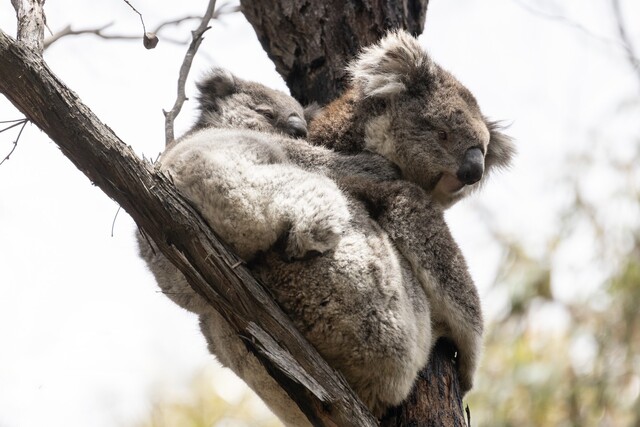
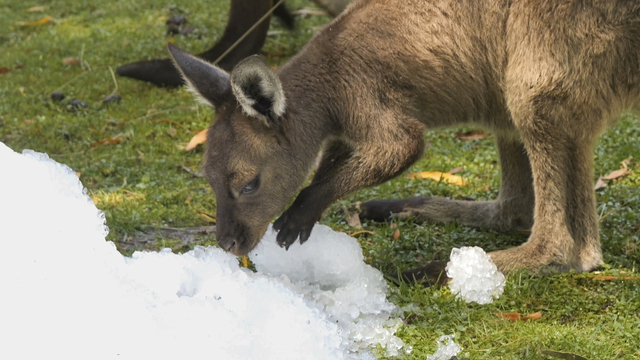
With the approach of what is said to be a severe to extreme heat wave, it is important to keep in mind that while we can escape into air conditioning, local wildlife are left to their own devices.
Despite not being able to take every animal inside with us, there are ways to help your furry, feathered and other locals, no matter if you are living in an urban or regional area.
Some common signs to look for when animals are struggling in the heat include seeing possums and other nocturnal animals out during the day, and birds breathing heavily with their beaks open.
Healesville Sanctuary Life Sciences Manager, Animal Health Gerry Ross noted some signs to look for that indicate an animal is struggling in the heat.
These signs included heavy breathing – especially for birds when they have their beaks wide open, and seeing possums and other nocturnal animals out during the day.
Ms Ross said, “Bats don’t do well in the heat, and little lizards are often out looking for places to retreat. They might even have burns on their feet from walking on hot roads.”
“There are a few things we can do to help wildlife that might be struggling. We can put a water dish out in the yard,” she said.
“A shallow dish that has a stick or a rock in it so little critters, insects, or birds can access the water can be helpful.”
According to Ms Ross, it is important to ensure the bowl is in a nice, sheltered space out of direct sun.
Choose a shallow, non-metal dish to prevent overheating and add a stick or rock so insects and small animals can escape safely and stop to drink.
Putting sprinklers and or misters on is another way to cool things down.
Ensure swimming pools have escape routes like shade cloth or ladders for animals.
Ms Ross noted to “Make sure our pets are inside so wildlife can have a drink if they need it.”
“Everyone can help,” she said.
“It doesn’t matter where you are; you can provide that sort of support.”
In addition, the RSPCA recommends leaving water out, but not food.
The organisation also notes that animals stressed by the heat will often behave differently than normal. These abnormal behaviours include losing balance, collapsing, or appearing confused.
Animals that typically live in trees may also be found on the ground.
Local wildlife shelters are also preparing for the upcoming heat wave and this includes having a bushfire plan.
A spokesperson for local wildlife hospital and animal park, Healesville sanctuary told Star Mail, “Our bushfire readiness plan includes plans for looking after the animals, which could mean extra watering, feeding at different times, and making sure the animals have shade and shelter.”
“On those extreme days, we have a fire safety procedure that we enact, which can involve closing the park if need be,” they confirmed.
“We have extensive systems of sprinklers and misters throughout habitats to keep the animals cool, and we provide ice for the animals.”
If you do find wildlife that looks like it is suffering from heat stress, including panting, contact a wildlife expert before you approach the animal, as that can sometimes increase stress levels.
If you find a sick, injured, or orphaned animal impacted by the heat, call Wildlife Victoria on 03 8400 7300 immediately for 24/7 emergency, professional rescue service.
Alternatively, you can report injured wildlife online at their website or call the Department of Energy, Environment and Climate Action (DEECA) at 136 186.